

Breast Health & Breast Cancer Screening in Iowa
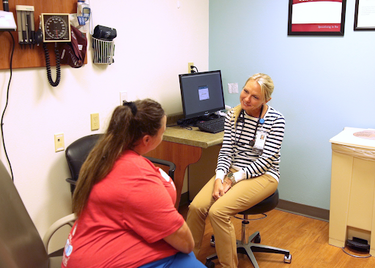 Caring for your breast health is an important part of your overall wellness. Breast changes are common, and most are not cancer. Still, knowing what is normal for your body and keeping up with recommended screenings can help you catch problems early.
At The Gabrielson Clinic for Women, we offer compassionate breast health care to help you understand changes, assess your breast cancer risk, and plan the right breast screenings for your needs. Our team is here to listen to your concerns, answer your questions, and help you feel confident about your health.
Schedule a Breast Health Center Appointment
Why Is Breast Health Important?
Your breasts can change throughout your life. Hormones, pregnancy, breastfeeding, menopause, and aging can all affect how they look and feel.
While many changes are harmless, some may need medical care. Breast cancer can also develop without causing any clear symptoms.
Regular breast cancer screening can help find cancer before you notice a lump or other change and make treatment more successful.
Breast Health Services at The Gabrielson Clinic
Breast care is an important part of gynecology. Our providers help women understand their breast health through preventive care, breast exams, and guidance on cancer screening.
Clinical Breast Exams
A clinical breast exam is a physical exam performed by a healthcare provider to check for changes in your breasts.
During the exam, your provider looks for changes in the skin, nipples, and breast shape. They may also gently feel your breasts and underarms for lumps or other unusual areas.
A breast exam can help your provider assess symptoms or changes that concern you. It also gives you a chance to ask questions about your breast health.
Clinical breast exams do not replace mammograms. Your provider can help you decide when an exam may be useful and which screening tests you need.
Breast Cancer Screening & Mammograms
A cancer screening looks for signs of cancer before symptoms appear.
A mammogram is an X-ray of the breast that can find changes too small to feel. It is the main test used to screen for breast cancer in women at average risk.
We can discuss your screening needs based on your age, health history, and personal risk factors. If you need a mammogram or another breast imaging test, our team can help guide your next steps.
Breast Cancer Risk Assessment
Some women have a higher risk of breast cancer due to their medical or family history.
Your provider may ask about breast cancer in your family, past breast conditions, or genetic changes that can increase your risk.
Understanding these factors helps us recommend a screening plan that fits your needs. If your history suggests a higher risk, we can discuss whether further testing or genetic counseling may be helpful.
What Breast Changes Should You Watch For?
Every woman's breasts look and feel different. They can also change during your menstrual cycle or as you get older. Knowing what is normal for you makes it easier to notice something new.
Contact your healthcare provider if you notice:
- A new lump in your breast or armpit
- A change in breast size or shape
- Swelling, redness, or dimpling of the skin
- A nipple that suddenly turns inward
- Nipple discharge, especially if it is bloody or occurs on its own
- Breast pain that does not go away
These changes do not always mean cancer. Cysts, infections, and hormone changes can cause similar symptoms. Still, you should have any new or unusual change checked by a healthcare provider. Do not wait until your next routine screening appointment.
Understanding Breast Exams & Imaging Tests
Your provider may recommend different tests depending on your symptoms, age, and breast cancer risk. Some tests look for early signs of cancer, while others help your medical team learn more about a specific concern.
| Breast Health Test | What It Does | When It May Be Recommended |
|---|---|---|
| Clinical Breast Exam | Your provider checks your breasts and underarms for changes | To evaluate a lump, pain, or other breast concern |
| Mammogram | Uses low-dose X-rays to create images of breast tissue | For routine cancer screening or a closer look at a breast concern |
| Breast Ultrasound | Uses sound waves to create images inside the breast | To examine a lump or help tell if it is a fluid-filled cyst or solid mass |
| Breast MRI | Uses magnets and radio waves to create detailed breast images | For some women at high risk or when more imaging is needed |
| Breast Biopsy | Removes a small tissue sample for testing | When imaging or an exam finds an area that needs further testing |
Not everyone needs every test. Your provider will explain which options are appropriate and help you understand the next steps.
When Should You Start Breast Cancer Screening?
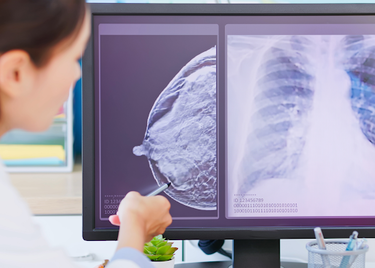 Most women at average risk of breast cancer should begin regular mammograms at age 40. The American College of Obstetricians and Gynecologists recommends mammograms every one or two years starting at age 40. The best schedule depends on your health, risk factors, and personal preferences.
Women with a higher risk of breast cancer may need to start screening earlier or have additional tests completed. For example, some women with a strong family history or certain inherited gene changes may benefit from both mammograms and breast MRIs.
Your healthcare provider can review your risk and help you choose a screening schedule.
Do You Still Need Screening if You Feel Fine?
Yes. Breast cancer does not always cause a lump, pain, or other noticeable symptoms.
A mammogram can find some cancers before you feel any changes. That is why screening is important even when your breasts feel normal. Regular screening does not prevent breast cancer, but it can help find the disease earlier.
What to Expect During a Breast Health Visit
We know that breast concerns can feel personal or stressful. At The Gabrielson Clinic for Women, we want you to feel comfortable asking questions and sharing your concerns.
Your breast check-up begins with a conversation about your health. Your provider may review your symptoms, family history, past screening results, and any changes you have noticed.
If you need a clinical breast exam, your provider will explain what to expect. You may be asked to remove your clothing above the waist and wear a gown. Your provider will look at and gently feel your breasts and underarms.
If anything needs a closer look, we will discuss what it may mean and which tests or follow-up care may help. Our goal is to give you clear answers and help you feel informed about your care.
How Can You Care for Your Breast Health?
You can take an active role in caring for your breasts at any age. Start by paying attention to how they normally look and feel. You may notice changes while showering, getting dressed, or going about your day.
You do not need to follow a strict monthly self-exam routine. What matters most is noticing new changes and telling your healthcare provider about them.
Other steps that support breast health include staying physically active, limiting alcohol, and maintaining healthy habits. You should also keep up with recommended mammograms and share any changes in your family's cancer history with your provider.
Frequently Asked Questions About Breast Health
What should I do if I find a lump in my breast?
Schedule an appointment with your healthcare provider if you notice a new lump. Many breast lumps are harmless, but an exam and sometimes imaging tests are needed to learn what is causing them. You should have a new lump checked even if your most recent mammogram was normal.
Why do my breasts hurt?
Breast pain can have several causes, including hormone changes, pregnancy, cysts, infections, or certain medications. Pain is rarely the only sign of breast cancer. However, pain that does not go away or affects one specific area should be evaluated.
Is nipple discharge normal?
Discharge from the nipple can be normal during pregnancy or breastfeeding. At other times, it may be caused by hormones, medications, or a breast disease. Contact your provider if you notice new discharge, especially if it is bloody, comes from only one breast, or happens without squeezing.
How often should I have a breast exam?
The need for a clinical breast exam depends on your age, symptoms, and health history. Your gynecologist can help you decide when an exam may be useful. A clinical breast exam is not a replacement for recommended mammograms.
Can I get breast cancer without a family history?
Yes. Many women who develop breast cancer have no close family history of the disease. This is why screening matters even if no one in your family has had breast cancer.
Should I consider genetic testing for breast cancer?
Your provider may recommend genetic testing if you or a close family member has a history of certain cancers. Changes in genes such as BRCA1 and BRCA2 can raise the risk of breast and ovarian cancer. Your provider can review your family history and help determine if genetic counseling or testing would be appropriate.
What happens if my mammogram shows something unusual?
An abnormal mammogram does not always mean cancer. Your provider may recommend additional mammogram images, an ultrasound, or another test to learn more. If needed, a biopsy can help determine if the area contains cancer cells.
Do I need a mammogram if I have no symptoms?
Yes. Routine mammogram screenings help find breast cancer before symptoms appear. Most women at average risk should start screening at age 40. Your provider can help you decide how often to schedule a mammogram.
Your Breast Health Matters at Every Age
You deserve to feel informed and supported when it comes to your breast health. At The Gabrielson Clinic for Women, we help women understand breast changes, stay on top of recommended screenings, and take the next steps when concerns arise.
Our compassionate team is here to listen, answer your questions, and help you make informed decisions about your health.


